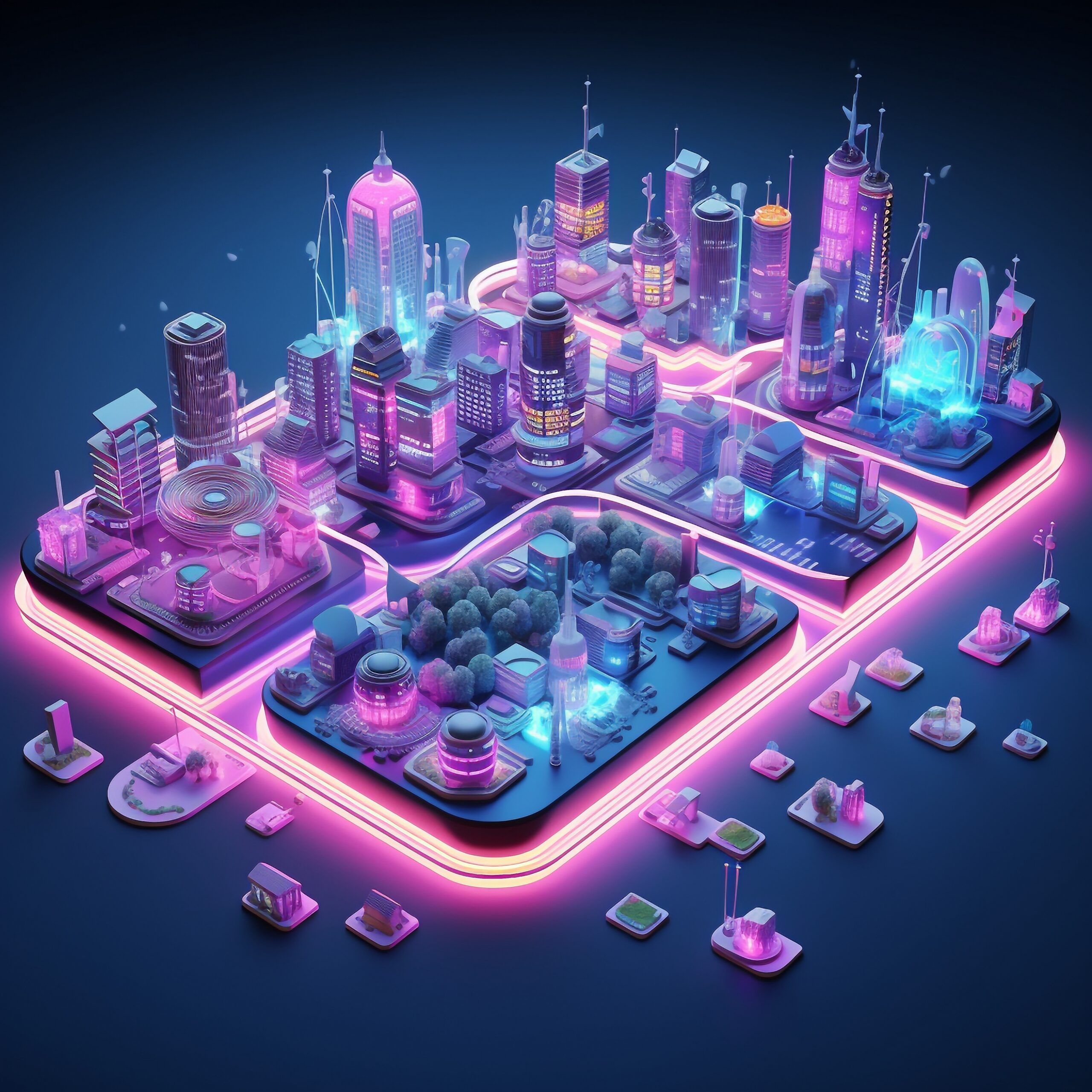
Every real estate project begins with an idea. Sometimes it is a mixed-use destination that will reshape a neighbourhood. Sometimes it is a residential community designed to bring people closer to nature. Whatever the scale, one challenge remains the same: turning that idea into something people can instantly understand. This is where modern visual workflows supported by 3D solutions for real estate experience, digital twins, and interactive mapping have become essential. They help teams convey a project long before anything appears on-site, making conversations clearer and decisions faster.
Why Visual Workflows Matter Today
Real estate decision-making is becoming more visual with each passing year. Insights highlighted in McKinsey’s construction technology research, Deloitte’s Global Real Estate Outlook, and PwC’s Emerging Trends in Real Estate consistently show that buyers and stakeholders respond more confidently when they can see a project in detail. A well-structured visualization workflow simplifies approvals, reduces confusion, and allows teams to identify early design or planning gaps. More importantly, it gives potential buyers a sense of familiarity and trust. This is why 3D visualization solutions for property developers are now ingrained in planning, design coordination, and early marketing strategies across leading developments.
Shaping the Vision Into a Visual Concept
The workflow begins with the core vision. Architects and planners convert broad ideas into early 3D concept models that show the project’s massing, spatial distribution, and relationship with its surroundings. Even in this simple stage, using a strong 3D mapping platform for real estate ensures everyone sees the same picture. It becomes easier to discuss sunlight direction, site access, internal circulation, and open-space planning when the entire team is visualising the same environment. These early visual forms act as the first shared language for internal decision-making and help refine the direction of the project without lengthy explanations.
Building a Digital Environment That Reflects Real Conditions
As the project progresses, the visualization becomes more detailed and intelligent. This is where digital twin technology for real estate adds significant value. A digital twin behaves like a living model. It updates as the project evolves and allows teams to simulate future conditions, monitor construction, and evaluate design adjustments with real-world accuracy. Reports referenced in PwC’s Emerging Trends in Real Estate highlight how digital twins help minimise rework and strengthen coordination between architects, consultants, and contractors. Instead of reacting to issues on-site, teams can identify them within the digital environment and resolve them much earlier.
Crafting a Visual Story With Detail and Emotion
Once the structural model is ready, the workflow shifts toward storytelling. The focus moves to lighting, materials, landscaping, and ambience. A good visualization does not simply replicate the structure; it shows how it will feel to live or work there. This is where high-quality modelling and rendering transform the experience. Developers can see how colours interact with sunlight, how interiors feel during different times of the day, and how the project’s atmosphere will influence user behaviour. These refined visuals support both design reviews and early marketing, allowing teams to communicate the project’s personality with clarity and confidence.
Adding Interactive Layers for Deeper Engagement
Today’s buyers expect freedom of exploration. They want to move through a project the way they move through familiar digital interfaces. This expectation has made interactive 3D mapping services for real estate an integral part of the workflow. Instead of static images, users experience a dynamic environment where they can explore unit plans, view amenities, examine tower positions, and understand the day-to-day flow of the development. This level of interactivity deepens engagement and often accelerates decision-making because people feel more connected to the project through their own exploration.
Transforming the Digital Model Into a Market-Ready Showcase
The final stage of the workflow is where all the digital elements come together for public presentation. Developers use detailed renders, cinematic project films, and immersive walk-throughs to create showreel experiences that resonate with potential buyers. Mobile-friendly virtual site tours for real estate projects ensure that the experience is accessible even from remote locations, which has become increasingly important for NRI markets and high-ticket investors. Research referenced in the Harvard Graduate School of Design’s real estate innovation studies indicates that projects with strong visual storytelling tend to generate higher-quality leads and stronger pre-launch traction.
Conclusion
A complete 3D visualization workflow is more than a creative exercise. It is a decision-making tool, a communication framework, and a marketing asset all at once. With the right blend of 3D solutions for real estate experience, digital twins, interactive mapping, and virtual touring, developers can present their projects with unmatched clarity. When a concept is shown with this level of detail and confidence, it becomes easier to support, approve, market, and eventually sell.