Real estate has always been about vision. A piece of land, a set of drawings, and a promise of what could be. But today, that vision is expected to feel real long before construction is complete. Buyers want clarity. Stakeholders want confidence. And decision makers want faster conversions without endless back and forth.
This is exactly where digital twin technology for real estate is changing the way projects are imagined, presented, and sold.
From Static Plans to Living Experiences
Think about how projects were traditionally showcased. Floor plans, brochures, and a few renders. While these tools still have their place, they often leave too much to imagination. For someone evaluating a project, especially from a distance, that gap can slow down decisions.
A digital twin changes that completely.
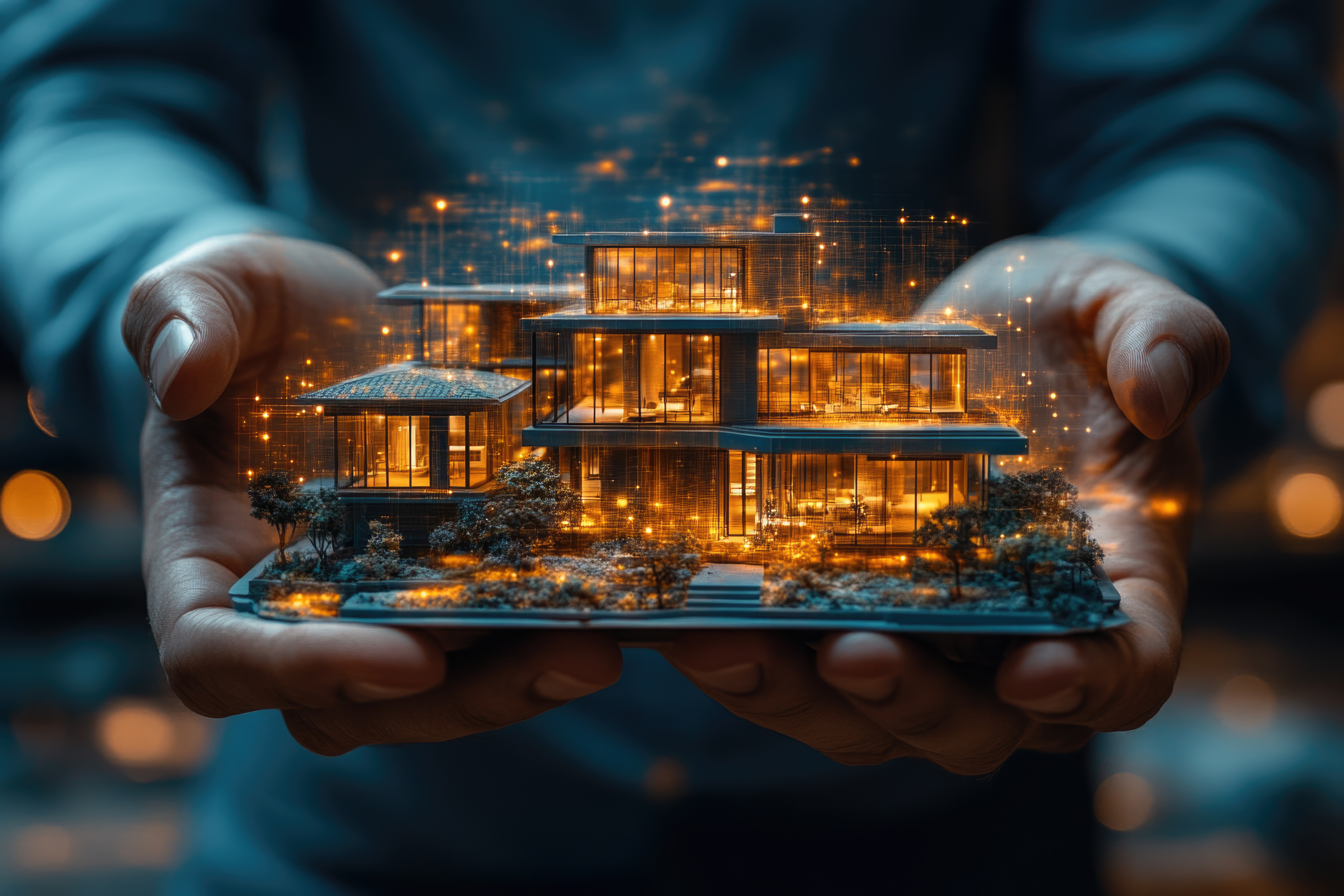
It creates a virtual replica of a project that feels alive. You can explore it, move through it, and understand it in a way that static visuals never allow. It is not just about seeing a property. It is about experiencing it.
This shift toward a real estate experience with interactive 3D visuals is helping developers communicate more clearly and buyers connect more deeply.
Why It Matters More Today Than Ever
The way people evaluate property has evolved. Many buyers begin their journey online. Investors compare multiple projects across cities. Marketing teams need tools that stand out in a crowded digital space.
A digital twin addresses all of this in one go.
It allows projects to be explored remotely without losing context. It helps explain location advantages visually instead of listing them. It gives clarity on scale, layout, and surroundings in a way that builds trust quickly.
According to McKinsey & Company research on digital transformation in real estate, immersive technologies are playing a major role in improving buyer confidence and reducing decision timelines. Similarly, insights from Deloitte Real Estate Predictions reports highlight how digital adoption is becoming a key differentiator for developers who want to stay competitive.
Making Exploration Engaging, Not Passive
One of the most interesting shifts is how exploration itself is becoming interactive.
With Gamified Property Exploration Tools, users are not just viewing a project. They are engaging with it. They can navigate spaces, discover amenities, and understand features at their own pace. It feels closer to how people naturally explore in the real world.
This level of interaction does something important. It keeps attention longer. It makes the experience memorable. And most importantly, it creates a stronger emotional connection with the project.
For teams responsible for presenting projects, this means fewer repetitive explanations and more meaningful conversations.
Better Decisions for Everyone Involved
Digital twins are not just a marketing tool. They are equally valuable during planning and development.
Architects can visualize design decisions in context. Developers can identify gaps early. Sales teams can explain complex layouts with ease. Even after launch, these models continue to serve as a reliable reference.
Studies like the World Economic Forum insights on smart cities and digital twins show how virtual replicas are helping improve efficiency, reduce risks, and support better planning at scale.
This is where the bigger picture comes in. It is not just about individual projects. It is about building smarter ecosystems where every decision is informed and every detail is understood.
A Natural Step Forward
Adopting digital twin technology for real estate is not about following a trend. It is about responding to how the market has evolved.
For those shaping projects, designing spaces, and bringing them to market, the expectations are clear. Communication needs to be sharper. Experiences need to be richer. And trust needs to be built faster.
Digital twins make all of this possible in a way that feels natural and intuitive.
The Road Ahead
As cities grow and projects become more complex, the need for clarity will only increase. The ability to present a project as an experience rather than a concept will define how successfully it connects with its audience.
The future of real estate is not just about building structures. It is about building understanding.
And with tools like digital twins, that future is already taking shape.