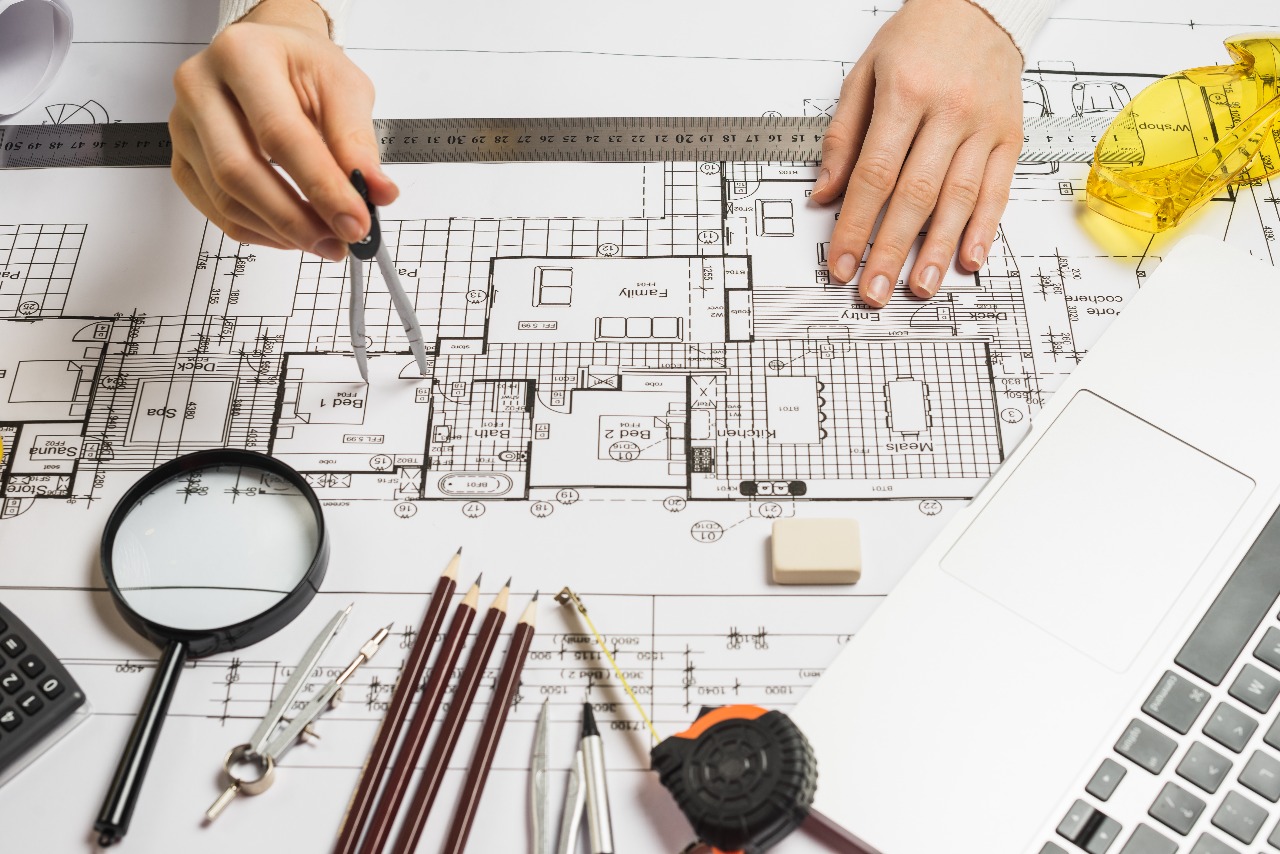
Every real estate project begins with a vision. A line on a blueprint, an idea on paper, a structure waiting to come alive. However, in today’s fast-paced world, where decisions are made quickly and visuals drive trust, static plans and renders are no longer sufficient.
That is where web-based 3D for Quick Tour real estate is transforming the game. They bridge the gap between imagination and reality, allowing developers, investors, and buyers to experience a project long before it is built. Not as a drawing, but as a living, breathing environment they can explore.
The New Language of Real Estate: Experience Over Explanation
Developers often face a common challenge: how do you convey the depth of your vision before the first brick is laid? Traditional 2D layouts and brochures show details, but they rarely evoke emotion or context.
Imagine your buyers being able to walk through their future home from their laptop or phone. They can see how sunlight fills the living room, how wide the balcony feels, or how the clubhouse connects to the open spaces. This is the power of virtual site tours for real estate projects. They replace explanation with experience.
For developers, this means less time spent convincing and more time building confidence. For buyers, it means trust, clarity, and excitement. These are the essential ingredients for decision-making in high-value investments.
Why 3D Visualization Is Now a Strategic Necessity
What was once considered a premium marketing add-on has now become an essential expectation. Today’s investors and homebuyers are digitally savvy. They explore, compare, and decide online long before visiting a site in person.
This shift has made 3D visualization solutions for property developers more than just a visual aid. They are a strategic tool that helps you:
- Present large-scale projects or master plans with ease
- Showcase phasing and development timelines visually
- Highlight features like open green zones, connectivity, and amenities
- Save time and cost on repeated physical visits
For planning authorities and infrastructure consultants, these tools also make collaboration smoother. Complex site layouts, elevation plans, and environmental designs become easier to understand, helping everyone from architects to stakeholders stay aligned.
From Presentation to Participation: Making It Interactive
The real beauty of modern 3D walkthroughs lies in their interactivity. Unlike video flythroughs, interactive 3D mapping services for real estate allow users to explore freely. They can move from room to room, zoom into details, or switch between day and night views.
Developers can even integrate clickable hotspots that show material specifications, floor plans, or nearby landmarks. It becomes a complete digital experience.
For example, a township developer in Gurugram can show how each sector connects to the Dwarka Expressway or how walking trails link to recreational zones. This not only informs potential buyers but also engages them. It turns passive viewers into active participants in their decision journey.
Bringing Global-Grade Technology to Indian Real Estate
India’s real estate sector is rapidly catching up with global digital standards. What once required heavy software installations can now run directly in browsers, thanks to the web-based 3D Quick Tour for real estate.
These cloud-hosted solutions mean that anyone, from an investor in Dubai to a planner in Delhi, can explore a site without technical hurdles. They work seamlessly across devices, ensuring accessibility and consistency.
For developers, this technology simplifies communication during the entire project lifecycle. From internal design reviews to marketing presentations and investor pitches, it brings clarity to every stage. With integrations like live project data, drone overlays, and GIS mapping, these tools are redefining how the built environment is visualized and understood.
Building Buyer Confidence Before Construction Begins
In real estate, trust drives every transaction. Visualization builds that trust. When buyers can explore a project before it is built, they feel informed and assured.
A strong virtual site tour for real estate projects can shorten the sales cycle. Buyers arrive with fewer doubts, having already experienced the space online. For developers, this translates to faster conversions, stronger word-of-mouth, and enhanced credibility.
Even for large infrastructure projects or townships, visualizing connectivity, green belts, and amenities in 3D helps align government authorities, investors, and communities.
The Future Is Immersive and Accessible
The future of real estate communication lies in interactive storytelling, where data, design, and emotion come together. Web-based 3D walkthroughs for real estate are at the heart of this transformation.
They turn static blueprints into living environments, giving shape to imagination and meaning to investment.
For developers across Delhi, Gurugram, and beyond, the message is clear. Embracing 3D visualization solutions for property developers is not just about technology. It is about elevating how projects are presented, perceived, and trusted.
In Closing
Real estate is ultimately about trust, and trust grows when people can see, feel, and believe. By turning blueprints into immersive digital experiences, web-based 3D Quick Tours for real estate are doing more than showcasing architecture. They are building confidence, transparency, and lasting impressions.
Whether you are developing luxury residences or master-planned townships, these tools ensure your vision is not just seen, it is experienced. And that is where true buyer confidence begins.