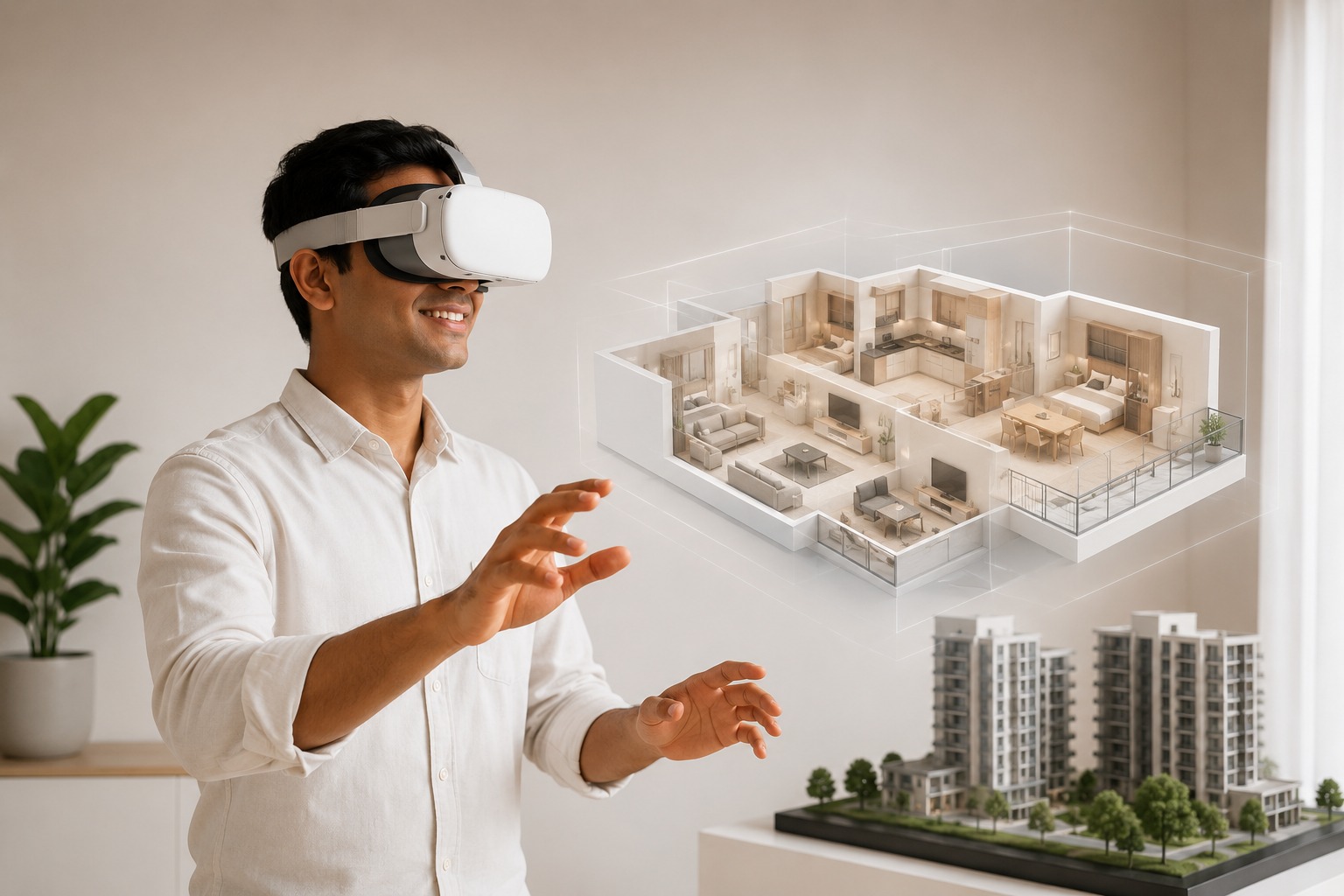
The real estate industry is rapidly moving toward digital experiences, and virtual site tours for real estate projects are becoming a major part of how modern properties are marketed and sold. Buyers today want faster access to information, better visualization, and more convenience before making investment decisions. Instead of relying only on brochures or physical visits, they now expect immersive experiences that help them understand a property more clearly.
As buyer behavior continues to evolve, developers are increasingly using virtual site tours for real estate projects to create stronger engagement, build trust, and simplify the decision-making process.
Why Traditional Property Buying Is Changing
For years, property buying depended heavily on physical site visits, printed brochures, and face-to-face meetings. While these methods still matter, they often take time and leave buyers with unanswered questions.
Today, most property searches begin online. Buyers compare multiple projects digitally before they even contact a sales team. Because of this shift, developers are focusing more on interactive presentations and immersive visualization tools.
This is where virtual property walkthroughs and 3D visualization experiences are creating a major difference. Buyers can now explore projects remotely and understand spaces more realistically.
How Virtual Site Tours for Real Estate Projects Improve Buyer Experience
Better Visualization Creates Faster Decisions
One of the biggest reasons buyers delay decisions is uncertainty. Floor plans and static images may not always help people understand the actual feel of a property.
Virtual site tours for real estate projects solve this challenge by offering a more immersive experience. Buyers can move through rooms, view layouts from different angles, and explore amenities naturally.
This helps buyers gain confidence much faster because they no longer have to imagine how the final property might look.
Buyers Can Explore Projects Anytime
Modern buyers value convenience. They do not always have time for repeated physical visits, especially when comparing multiple projects.
With virtual site tours for real estate projects, buyers can explore properties anytime and from anywhere. Whether they are at home, traveling, or living abroad, they can still experience the project in detail without immediate travel.
This flexibility helps reduce delays in the buying journey while increasing overall engagement.
Virtual Site Tours Build Greater Buyer Trust
Trust plays a huge role in real estate marketing. Buyers want transparency before making large financial commitments.
Interactive walkthroughs help create that trust by allowing buyers to experience the project more independently. Instead of depending only on sales presentations, they can explore layouts, amenities, and project spaces on their own.
This is especially useful for under-construction developments where physical spaces are still evolving. Through 3D mapping and immersive walkthroughs, developers can showcase future spaces with greater clarity.
The Rise of Digital-First Real Estate Marketing
The future of real estate marketing is becoming increasingly digital. Buyers now expect visually engaging and technology-driven experiences from premium projects.
Because of this, virtual site tours for real estate projects are becoming essential rather than optional. Projects using immersive visualization often create better online engagement and stronger buyer interest compared to traditional presentations alone.
Technologies like digital twins, 3D walkthroughs, and interactive property experiences are helping developers stand out in a highly competitive market.
Brands like Propickle are helping real estate projects create more advanced and engaging virtual experiences that improve buyer understanding while enhancing project presentation.
Virtual Tours Help Reach Global Buyers
One of the biggest advantages of virtual experiences is accessibility for remote buyers.
NRI investors and buyers from different cities may not always be able to visit a project immediately. Virtual site tours for real estate projects allow them to explore spaces remotely while still understanding layouts, amenities, and design elements clearly.
This expands project reach while helping developers connect with a broader audience more effectively.
In many cases, virtual walkthroughs become the first important step before buyers schedule physical visits or move toward investment discussions.
Why Virtual Site Tours Are the Future of Property Buying
As technology continues to shape consumer behavior, property buying is becoming more experience-driven. Buyers want convenience, transparency, and confidence before making decisions.
Virtual tours provide all three.
They reduce confusion, improve understanding, and create stronger emotional connections with projects. At the same time, they help developers market properties more effectively in a digital-first environment.
With growing competition across the real estate industry, immersive experiences are no longer just innovative additions. They are becoming a smarter and more effective way to attract and convert buyers.
Conclusion
The future of property buying is becoming more interactive, digital, and experience-focused. Virtual site tours for real estate projects are helping developers create faster, clearer, and more engaging buyer journeys while improving trust and decision-making.
From luxury apartments to under-construction developments, virtual tours are changing how buyers explore and connect with properties. As the industry continues to evolve, immersive digital experiences will play an even bigger role in shaping the future of real estate marketing.